Pikachu no Michi ◆ Electric Kin
電気の守護者たち
Beyond the sacred shrine of Pikachu dwell the kindred spirits of the electric lineage — cousins, descendants, and fellow kami who share the crackling blessing of the thunderstorm.
In the great tapestry of the Pokemon spirit world, Pikachu does not stand alone. Across all regions — from Kanto to Galar — a clan of electric-blessed kami shares Pikachu's divine charge, each carrying the thunderstorm's spirit in their own unique form.
The ancient shrine chronicles speak of the "Denki no Ichizoku" — the Electric Family — bound by their shared gift of lightning and their role as guardians of the storm's sacred order. Their forms differ, but their essence echoes with the same primordial spark.
Kinship • Denki no Ichizoku
Direct ancestor or evolved form
Alternate form from another region
Shared electric nature and spirit
Protects sacred electric sites
仲間の守護者
Each of these sacred beings shares Pikachu's divine electric nature, bound by the thunderstorm's ancient covenant across all regions of the world.
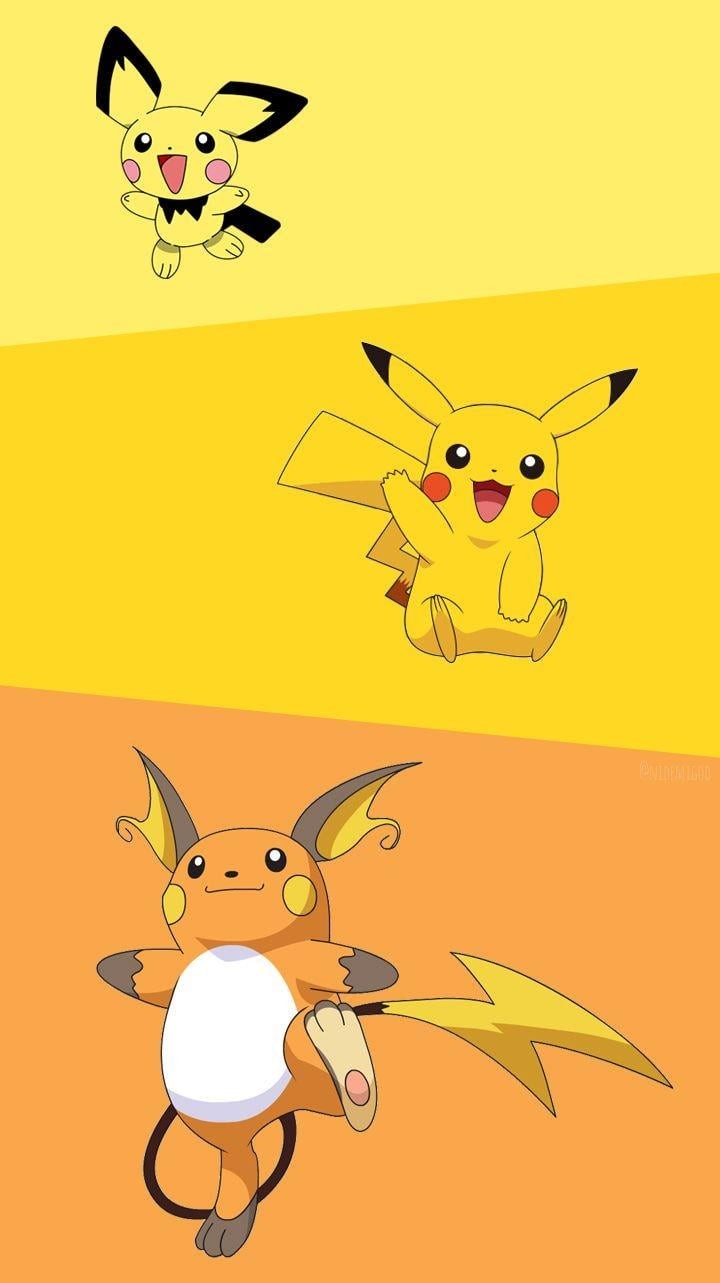
The newborn spirit of the electric lineage — a tiny vessel brimming with uncontrolled divine charge. Ancient shrine texts call Pichu "Ko-Raijin," the Little Thunder God, who must be raised with gentleness and friendship before its power matures. Its sparks are said to bring good fortune to any household where it rests.
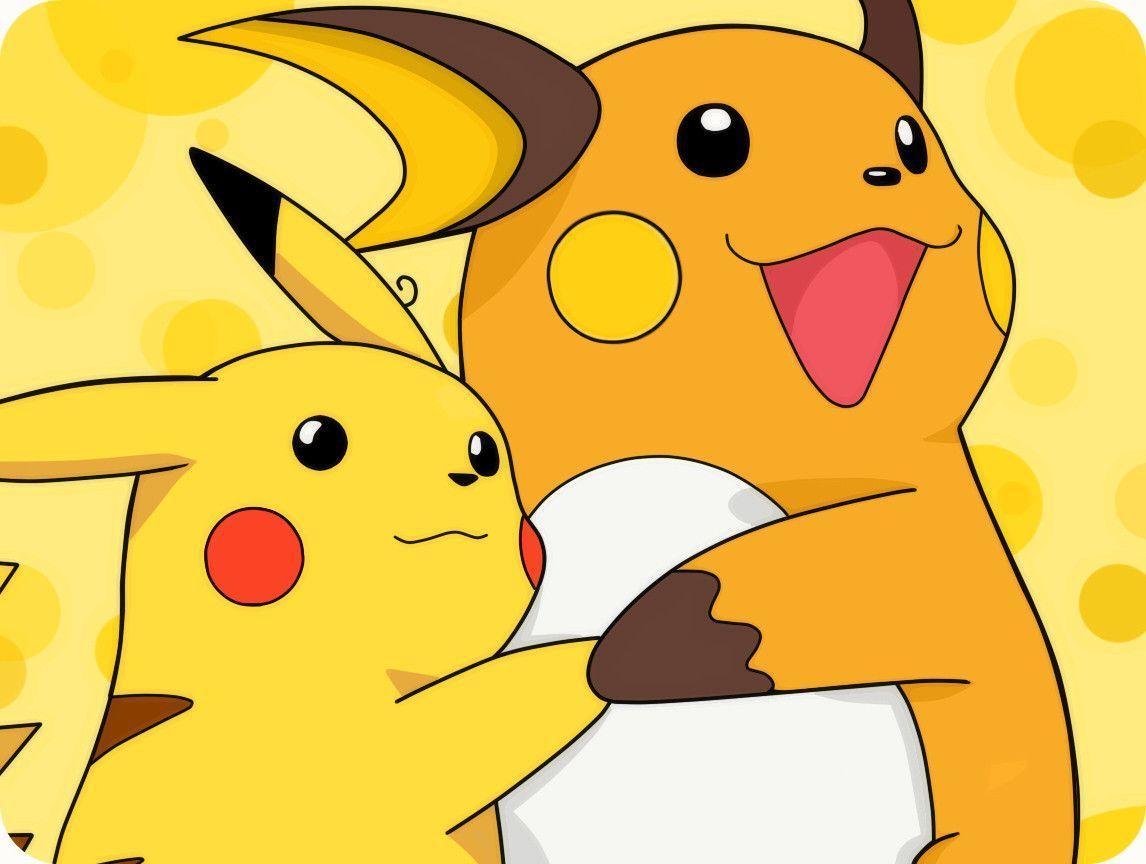
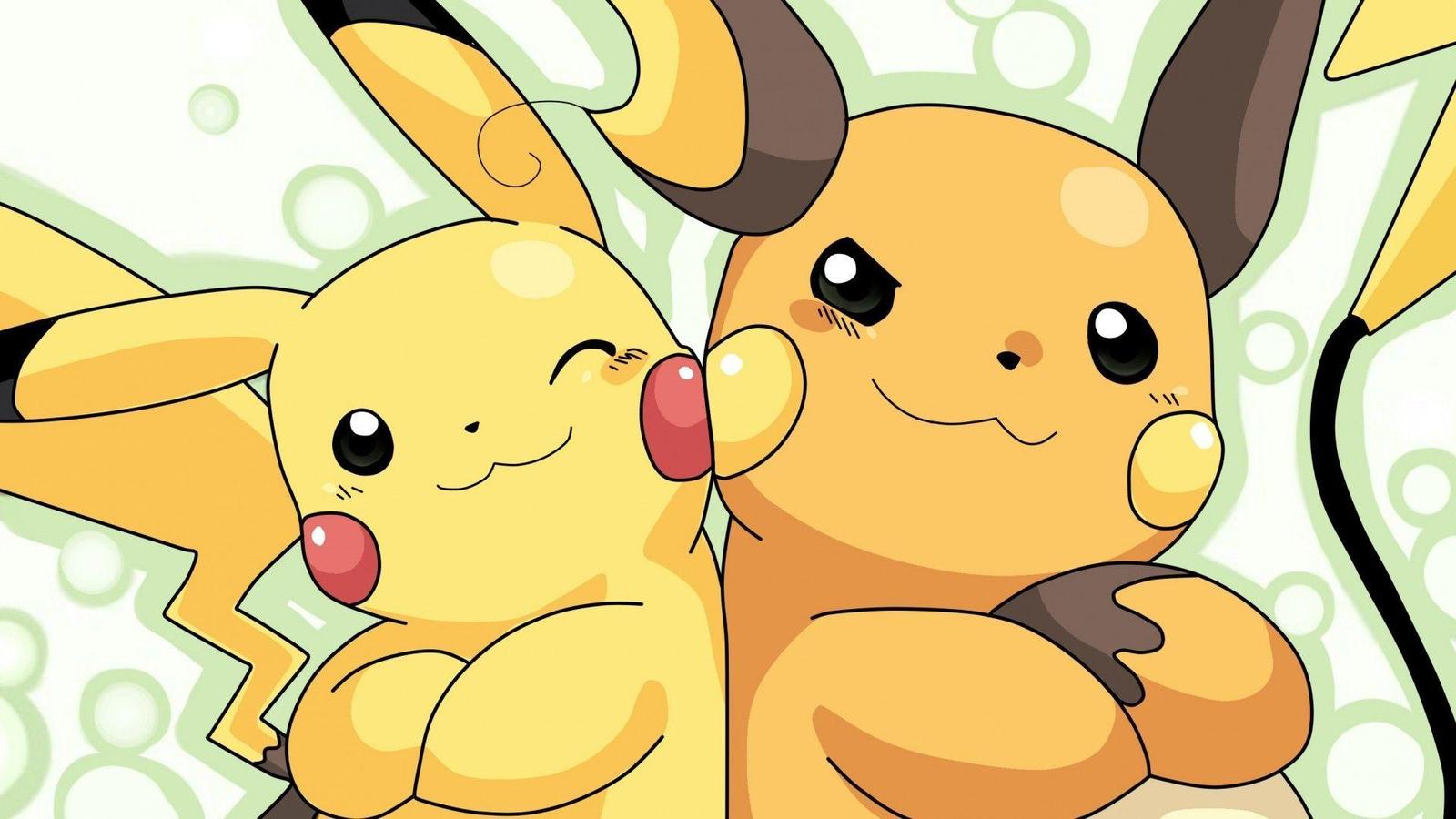
Raichu is the fully ascended form of the lightning kami — Pikachu's most sacred transformation. In shrine lore, Raichu represents the "Raijin Keshin," the complete incarnation of the thunder god. Its long tail serves as a divine conductor, drawing lightning directly from the storm heavens to smite the unworthy and protect the faithful.
On the tropical islands of Alola, Raichu absorbed the psychic energies of the sacred wave-patterns, transforming into a serene surfer-spirit who rides its own tail as a board across the electric ether. The Alolan shrine priests call it "Nami no Kami," the Wave God — a tranquil yet supremely powerful guardian of the ocean shores.
Pachirisu is the shrine squirrel of Sinnoh's mountain temples — a cheerful electric spirit who stores lightning in its cheek pouches just as Pikachu does. Forest monks say that Pachirisu's crackling fur wards away evil spirits, and its bushy tail — marked with a divine lightning bolt — is considered a sacred talisman of good fortune.
Emolga is the sky-spirit of Unova's ancient sky shrines — a divine flying squirrel who glides between temple rooftops on wings of pure electric energy. The Unova monks call it "Sora no Kami," the Sky God, believing that when it glides beneath the moon, it weaves the electric currents of the heavens into protective barriers around sacred places.
Togedemaru is revered in Alolan temples as the "Hari no Kami" — the Needle God — a divine iron hedgehog who conducts lightning through its metal spines to purify sacred spaces. Its ability to draw down thunderbolts from storm clouds makes it an invaluable guardian of mountaintop shrines, protecting them from the destructive forces of unguided electricity.
Morpeko carries a duality that shrine scholars find profoundly symbolic — in its "Full Belly" form it radiates warm golden light, but when hungry, it transforms, unleashing a dark electric fury called "Aura Wheel." Galar's temple priests interpret this as the eternal cycle of "Manzoku to Kuufuku" (Satisfaction and Hunger) — the philosophical balance that drives all creation.
In Kalos, Dedenne is known as the "Antenna Kami" — a tiny orange spirit whose whiskers serve as divine antennae, receiving sacred transmissions from distant shrines. Priests use Dedenne's whisker signals to communicate across mountain ranges, believing its golden-tipped antennae are tuned to the frequency of the divine electric force itself.
In Hoenn's ancient dual-shrine tradition, Plusle and Minun are inseparable yin-yang spirits — the positive and negative poles of the divine electric force. Shrine doctrine holds that together they represent "Wa" (Harmony) — proof that even opposing energies create perfect balance when united in purpose. Neither is complete without the other's resonance.